Plantation shutters help a little with heat, but much less than most people expect. Because they are inside the room, the sun's energy has already passed through the glass before it hits the louvres, so much of it stays in the room. External shutters or blinds that stop the sun outside the glass are several times more effective. In winter, closed plantation shutters do add a useful layer that reduces heat loss and draughts at night.
Key points
- Internal shading of any kind stops only a modest share of solar heat. External shading stops most of it.
- Close louvres with the white face to the sun to reflect a little more energy back out.
- In winter, closed shutters at night cut heat loss and cold radiating from the glass.
- For a room that overheats, look at external shutters, external blinds or solar control glass.
Why the side of the glass matters
Sunlight passes through window glass as light and short wave radiation. When it hits something inside the room, including the back of a shutter, it turns into heat. Some of that heat is reflected back out through the glass, but much of it stays trapped in the room. This is the same effect that heats a car parked in the sun.
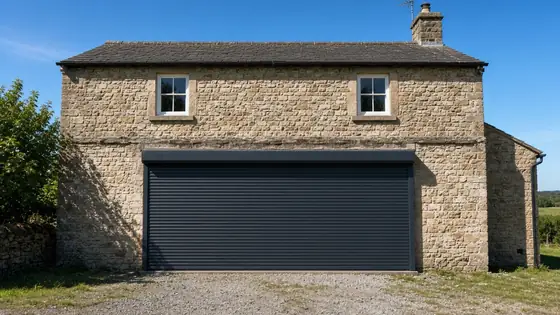
An external shutter, awning or blind stops the sunlight before it reaches the glass, so the heat is shed outside. European shading bodies such as ES-SO publish figures showing external shading can block the large majority of solar heat, while internal blinds and shutters typically block a much smaller share, depending on colour and how closed they are.
How much difference do plantation shutters make in summer?
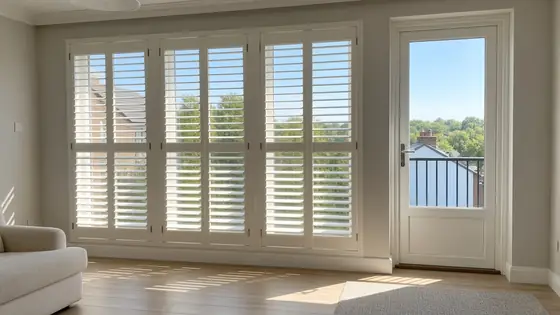
Closed white louvres reflect some light back through the glass and stop direct sun falling on people and furniture, which makes a room feel cooler even if the air temperature drops only a little. On a north or east-facing room that is enough. On a south or west-facing extension with large glass doors, it rarely is.
Adverts that promise a fixed temperature drop are best treated with caution. The real effect depends on the orientation, the glass, the size of the window and whether you close the shutters before the room heats up.
| Shading | Position | Effect on solar heat entering |
|---|---|---|
| Plantation shutters, closed | Inside | Small to moderate |
| Light coloured blind | Inside | Small to moderate |
| Solar control film or glass | On the glass | Moderate, all year |
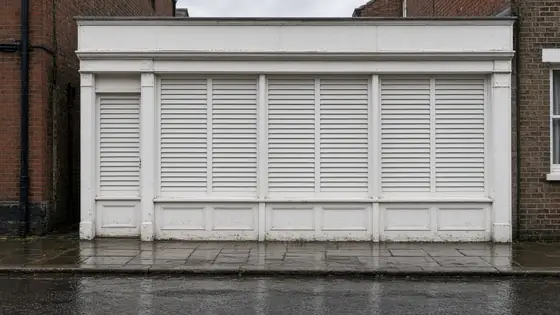
| External venetian or zip screen | Outside | Large |
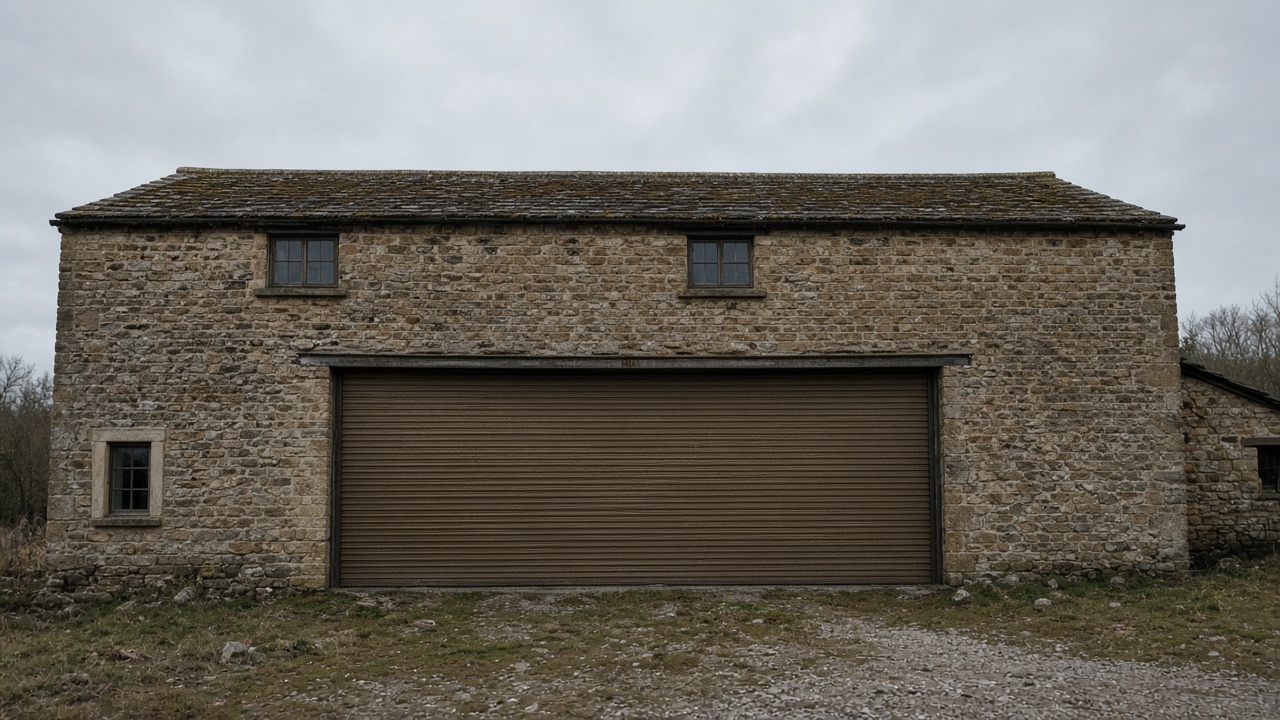
| External roller shutter, down | Outside | Very large |
Do plantation shutters keep heat in during winter?
Yes, to a useful degree. Closed at night, a shutter traps a layer of still air against the glass and cuts draughts from older windows. You also lose the feeling of cold radiating from a large pane, which makes a room feel warmer at the same thermostat setting. The effect is biggest on single glazing and older double glazing. They are not a substitute for fixing failed sealed units or draughty sashes.
How to get the most from plantation shutters in a heatwave
- Close the louvres on sunny windows in the morning, before the room heats up.
- Tilt the louvres so the sun hits the white face and reflects upward and out.
- Open windows behind the shutters in the evening and overnight when it is cooler outside.
- Leave north-facing shutters open for light; they gain little heat.
- If a room is still too hot, consider an external blind or shutter for that one opening.
Frequently asked questions
Do plantation shutters keep a house cool?
They help a little, mainly by stopping direct sun on people and furniture. External shutters are far more effective because they block the sun before it reaches the glass.
Do plantation shutters help with heat loss?
Yes. Closed at night they reduce heat loss and draughts, especially on older windows.
What colour shutter is best for heat?
White or light colours reflect more sunlight back out through the glass than dark finishes.
Are external shutters better than plantation shutters for heat?
Yes, much better. They stop the sun outside the glass. Plantation shutters are better for privacy and light control.