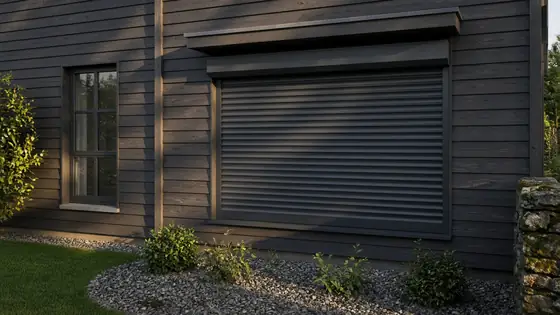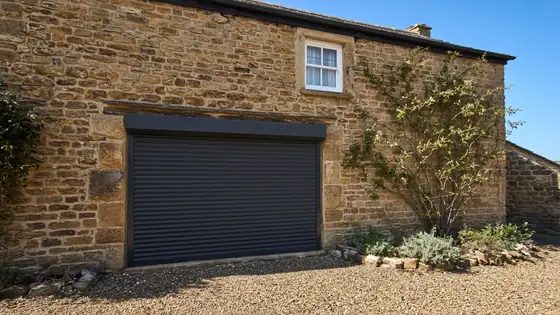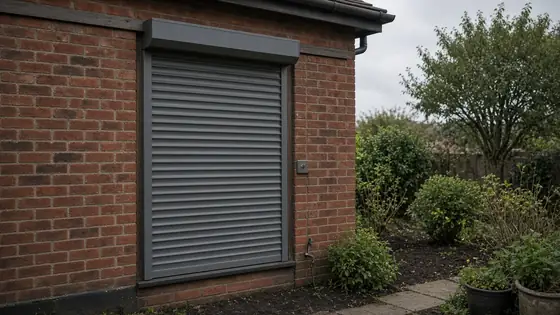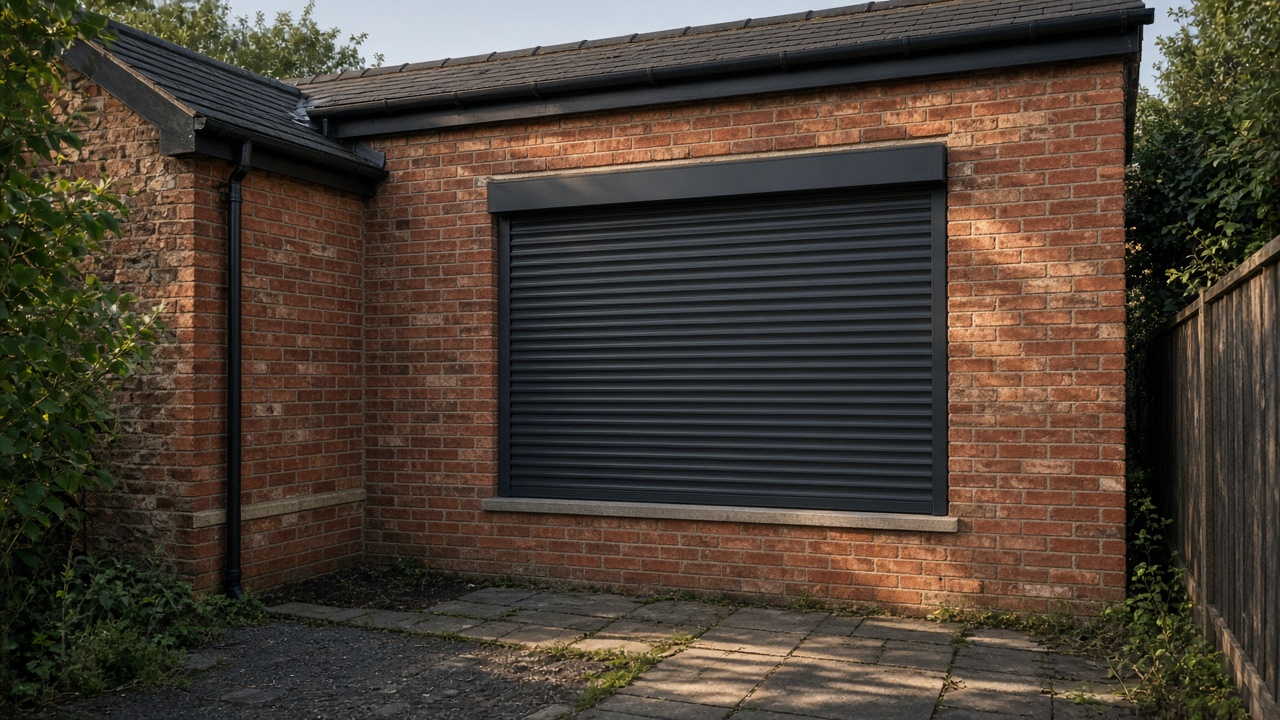
Most people frame this as which is more secure. The better first question is which one the building allows. An internal grille changes nothing outside, so it is often the only option on a listed building, a leasehold flat or a street front with strict planning. An external shutter needs the outside wall, but in return it also protects the glass, shades it, darkens the room and adds a night layer. If the outside is available to you, the shutter does more jobs. If it is not, the grille is the answer.
Work through it in order
- Is the building listed? Fixing an external box is unlikely to be approved, and internal fixings into historic fabric may also need listed building consent. Start with a grille, discussed with the conservation officer.
- Is it a leasehold flat? The freeholder usually controls the outside. A grille inside the window is normally your own business; check the lease.
- Is the window an escape route? Approved Document B expects an escape window to give a clear openable area of at least 0.33 m², at least 450 mm high and 450 mm wide, with the bottom no more than 1,100 mm above the floor. A grille or shutter over it must open from inside quickly, with no hunt for a key.
- Do you want the window open at night? Approved Document O names lockable grilles and lockable louvred shutters as ways to secure an open window. Both work; a shutter also blocks light and street noise.
- Do you also want shade, blackout or warmth? Only the external shutter does those.
- Is this a shop or a policy requirement? Ask the insurer what rating they require before choosing either.
Side by side
The shutter price is from our published shutter price tables for certified security shutters. A non-security domestic roller starts at £450 to £800 manual, but it is a delay, not a rated barrier. See LPS 1175 shutters for homes.
| Point | Internal grille | External roller shutter |
|---|---|---|
| Changes the outside | No | Yes, box and guides |
| Protects the glass | No, the glass can still be broken | Yes |
| Shade, blackout, night insulation | No | Yes |
| Secures an open window at night | Yes, if lockable | Yes, in a locked vent position |
| Typical price, certified security | Quote per opening | £1,200 to £2,500 per window |
The shopfront case
Shops want the display visible after hours and the glass protected. A grille behind the glass keeps the display lit and visible but leaves the glass exposed; a perforated or vision-slat external shutter protects the glass but hides more of the display. Insurers sometimes specify one. See shop security shutter specification and shutters on listed buildings.
Frequently asked questions
Are internal grilles as secure as external shutters?
They stop entry through the opening, but the glass stays exposed. A certified rating matters more than the type.
Do internal grilles need planning permission?
Usually not, because the outside does not change. Listed buildings may still need consent for internal fixings.
Can a grille go over a fire escape window?
Only if it opens from inside quickly without a key search, leaving the escape opening clear.
Which suits a ground floor bedroom?
Either can secure an open window at night if lockable. A shutter also gives blackout and cuts street noise.
Which is better for a shop?
A grille keeps the display visible; an external shutter protects the glass. Check what your insurer requires.