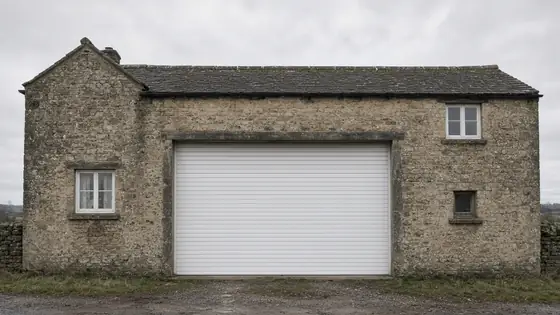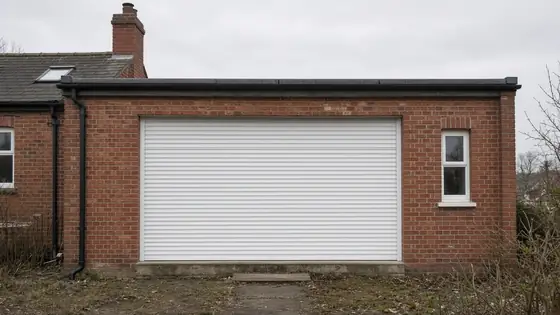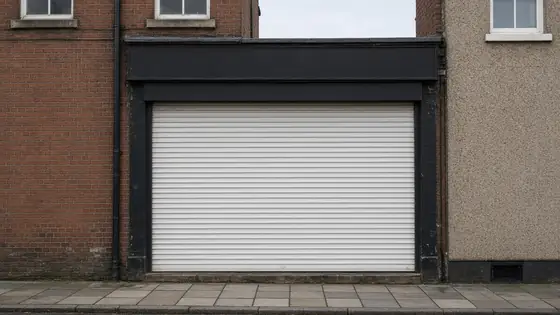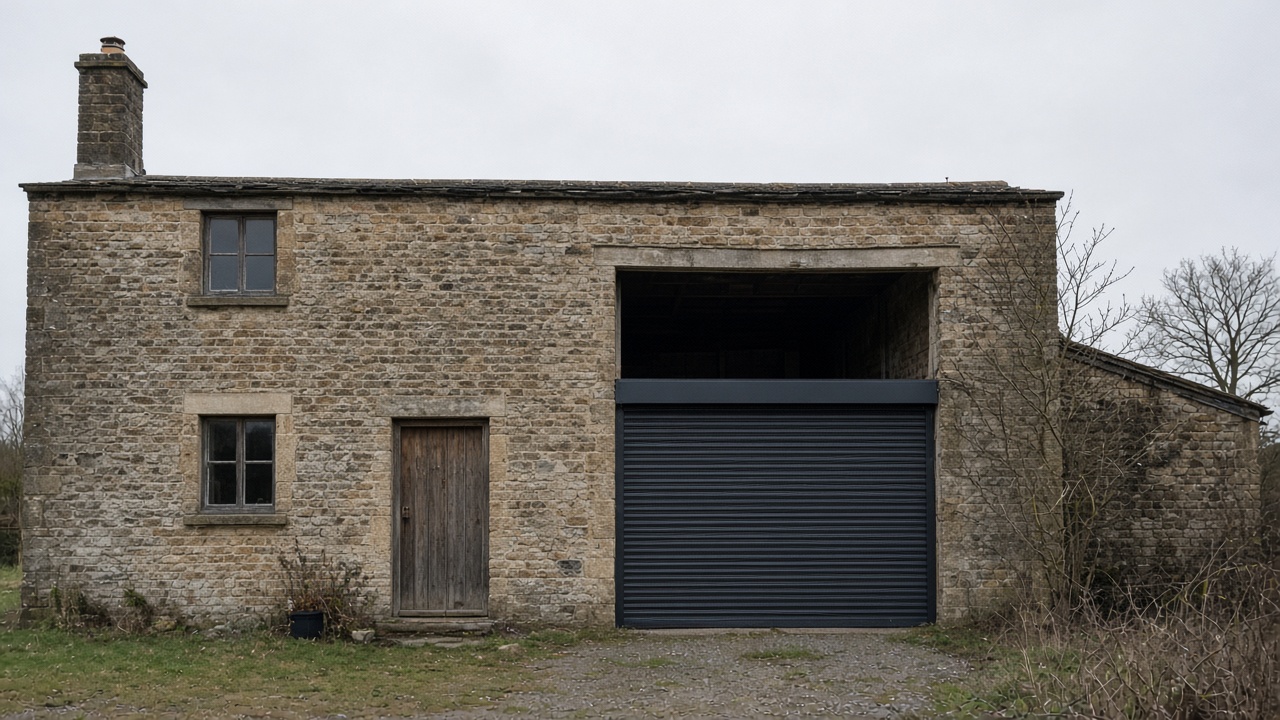
Both block sun outside the glass, which is what keeps a room cool. They differ in what else they do. A roller shutter blacks out, adds security and adds a night layer in winter, but you lose the view while it is down. A zip screen keeps the view through the fabric, which is why people choose it for glass they look through on hot afternoons, but it adds no security and little warmth. So the answer depends on the room, not on which product is better.
The verdict by room
Many houses end up with both: zip screens on the big glazed elevation, rollers on bedrooms and street-facing windows.
| Room or opening | Verdict | Why |
|---|---|---|
| Bedroom | Roller shutter | Blackout, security, quiet at night |
| Garden room or kitchen bifold, south or west | Zip screen | Cool room while keeping the garden view |
| Ground floor living room on a street | Roller shutter | Security and privacy when away |
| Home office with glare on screens | Zip screen | Cuts glare and heat but keeps daylight |
| Exposed coastal or hilltop elevation | Roller shutter | Copes with stronger wind than fabric |
| Holiday let or second home | Roller shutter | Locks the house down between stays |
What it costs on two openings
The prices overlap, so cost rarely decides it. They come from our shutter price guide.
| Opening | Zip screen | Electric roller shutter |
|---|---|---|
| Standard window | £600 to £1,200 | £700 to £1,200 |
| 3 m bifold | £1,500 to £3,000 | £1,800 to £3,200 |
How the building regulations see shading
Approved Document O, which applies to new homes, lists shutters, external blinds, overhangs and awnings as fixed ways to limit summer solar gain. For homes in its high-risk overheating location it names three acceptable routes for sun-facing glass: external shutters with a means of ventilation, glazing with a g-value of 0.4 or less and light transmittance of at least 0.7, or overhangs with a 50 degree altitude cut-off on due south facades. A zip screen counts as an external blind. Neither product is treated as better; both act outside the glass, which internal blinds do not.
Ask for fabric samples and hold them up toward the garden on a bright day before choosing a zip screen. Openness factor changes both the view and the heat. See zip screens on a bifold and roller shutters in high wind.
Three mistakes that decide the outcome
- Choosing zip fabric by colour, not openness. A very open weave keeps more view but lets more heat through; a dark fabric is easier to see through than a light one of the same openness.
- Forgetting windows that open outwards. External screens and shutters run in guides outside the frame, so an outward-opening casement or a top-hung vent can clash with them. Check every sash before ordering.
- No wind sensor on a zip screen. The zip edge holds the fabric in moderate wind, but above its rated speed it should retract automatically, not wait for someone to notice.
Frequently asked questions
Is a zip screen better than a roller shutter for heat?
Both stop sun outside the glass. The zip screen keeps a view; the roller blacks out and adds winter insulation.
Are zip screens secure?
No. They are fabric shading, not security products.
Do zip screens work in wind?
Better than ordinary blinds, because the zip edge locks into the guides, but rollers cope with stronger wind.
How much is a zip screen on a 3 m bifold?
About £1,500 to £3,000 fitted, from our 2026 price table, against £1,800 to £3,200 for an electric roller.
Can a zip screen black out a bedroom?
Only with blackout fabric, and light still leaks at the edges. A roller is the more reliable blackout.