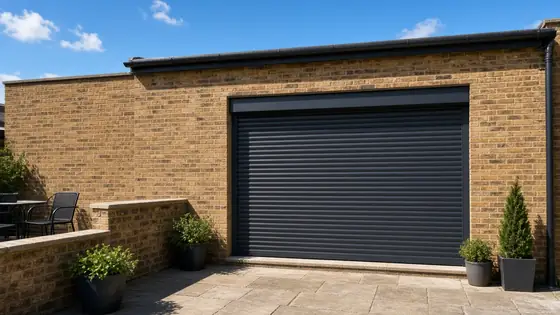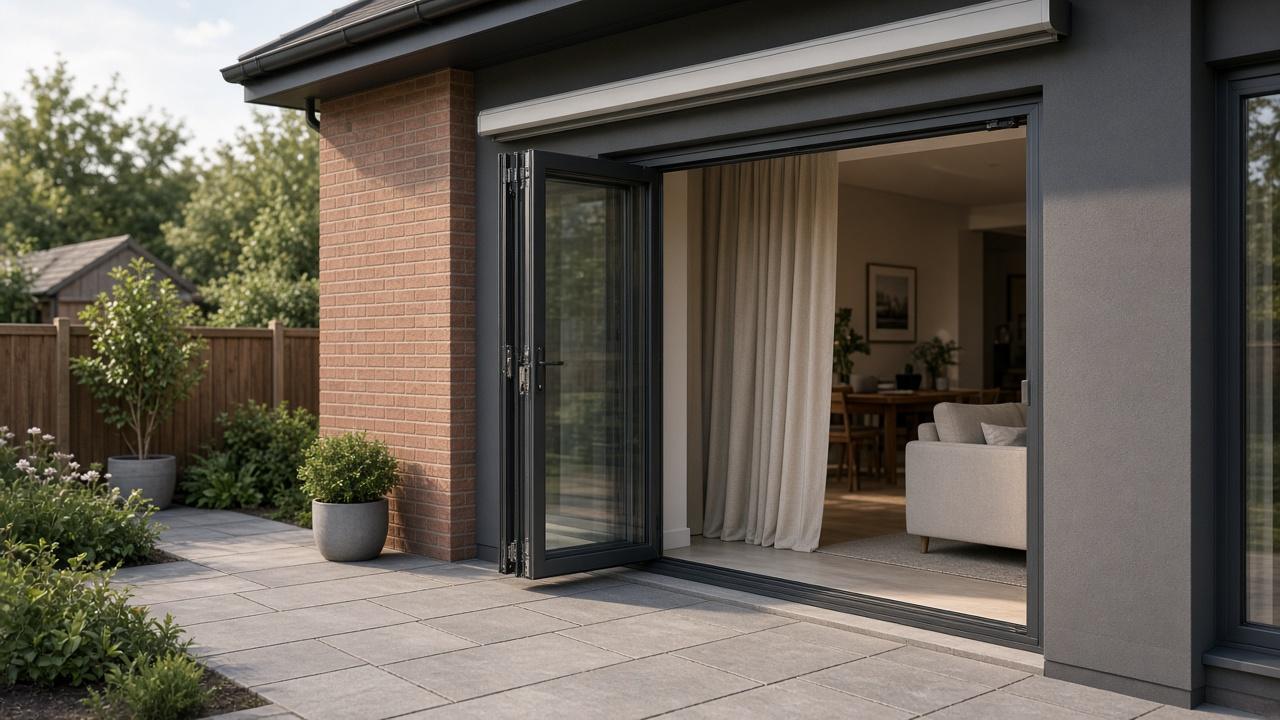
Winter condensation on the room face of a window is liquid water that forms when moist indoor air touches glass colder than the dew point. An internal blind or curtain sits on the warm side of that glass. It can make the glass colder still by trapping a pocket of stagnant air against the pane, so the mist often arrives earlier, not later. An external shutter shades and shelters the glass from the cold night sky and wind before heat leaves the room. The pane stays nearer the room temperature, so the same indoor air is less likely to drop water on it. Shutters are not a dehumidifier and they will not fix a soaking loft or a permanently cold unheated room. They are a better first line against cold-glass condensation than a blind that only dresses the problem from the inside.
Dew point in a kitchen English, not a lab
Air always holds some water vapour. Warm air can hold more. The dew point is the temperature at which that air, if cooled, starts dropping liquid. You meet it on a summer drink can and on a bathroom mirror. You also meet it on a single cold patch of glazing while the wall beside it stays dry.
In a lived-in UK house the air picks up moisture from cooking, showers, drying clothes, breath and sometimes from damp fabric or a wet crawl space. Closing the windows on a freezing night keeps heat in and also keeps that moisture in. The glass is usually the coldest large surface in the room, so it is the first place the dew point is crossed.
Double and triple glazing raise the inner surface temperature compared with old single panes, which is why modern windows mist less often. They are not immune. A north elevation, a bay that sees little sun, a bedroom with the heating off all day, or a kitchen full of steamy pans can still put water on good glass. Building regulations and decent replacement windows help the average case. They do not repeal dew point on a January night.
Condensation on the room side is a climate and ventilation story. Condensation between sealed panes is a failed unit. Condensation on the outside face of the outer pane on cold clear mornings can even be a sign the glazing is insulating well. This guide is about the indoor face that wets curtains, peels paint on the sill and feeds black mould at the bead.
Why cold glass is the weak spot
Heat leaves a warm room through the window by conduction through the frame and glass and by radiation toward the cold outdoors. On a clear winter night the sky acts like a heat sink. Glass facing it loses heat quickly. Wind strips the thin layer of warmer air that tries to cling to the outside of the pane. The inner surface temperature falls. When it falls below the dew point of the room air, droplets appear.
Corners and the bottom edge go first because frames and spacers conduct cold, and because cool air slides down the glass and pools at the sill. That is why the first wet stripe is often a neat line above the board, not a uniform fog. Wipe it and you have moved water onto a cloth. You have not warmed the glass.
Heating the whole room harder can help a little by raising air temperature and sometimes by raising surface temperatures, but it is a blunt tool. If the glass remains a cold bridge, you simply pay more to run moist air past a cold pane. Extract fans used properly during cooking and bathing remove moisture at source. Trickle vents and purposeful airing help. None of those measures change the fact that a colder pane condenses sooner than a warmer one.
Why an internal blind arrives late to the problem
A blind or curtain inside the room is a comfort layer for people. It is a poor insulator for glass when it hangs close to the pane. The blind stops room air washing over the glass. Behind it, a shallow cavity of air cools toward the outdoor temperature. The pane gets colder than it would if the glass stayed open to the warm room. Condensation then forms in the dark space you cannot see until you raise the blind in the morning and find a wet sill.
Heavy curtains with a closed pelmet can do the same. Decorative shutters fitted inside the reveal, the kind that fold as cafe-style panels, still leave the glazing exposed to outdoor cold. They may look like shutters. Thermally they behave like furniture on the warm side of the glass.
People often close blinds tightly on the coldest nights for privacy and cosiness. That habit lines up with the worst glass temperatures. The blind is not causing moisture. It is making the surface that moisture prefers even more attractive. If you already have internal blinds, leave a gap at the top and bottom so air can move, and do not press fabric against the glass. That is damage limitation. It is not as effective as stopping heat loss on the outside.
ES-SO and the wider solar shading industry talk about shading as a summer cooling tool first. The same physical idea works in reverse in winter for external screens: control what happens at the outdoor face of the glass, and the indoor face follows. An internal blind never gets that chance because the heat has already left through the pane before the fabric does anything useful for condensation.
How an external shutter keeps the glass warmer
An external roller shutter closes a curtain of slats outside the window. At night it forms a buffer. Wind no longer scours the glass. Radiation toward the open sky is interrupted. The air gap between the curtain and the pane becomes a trapped layer instead of a wind-washed skin. Heat that tries to leave the room meets that calmer layer and the inner glass surface stays higher than it would behind a lonely pane.
In plain terms, the shutter is a coat for the window. You put coats on the outside of people, not under their shirts. External awnings, some louvres and well-fitted external blinds follow the same logic in different hardware. The shared point is location: shade and shelter belong outside the glass if you want the glass itself to stay nearer room temperature.
By day in winter you may lift the shutter to welcome free heat from low sun on south elevations. That is fine. Condensation risk peaks overnight and on dull cold mornings. Use the shutter when the heating is on and outdoor temperatures drop. A timer or a simple dusk routine beats remembering at 23:00 after the pane has already chilled.
The shutter box, guides and sealed curtain also cut drafts at leaky older frames, which can reduce local cold spots around the opening. They do not replace a rotten timber frame that needs repair, and they do not excuse blocked extract fans. Think of them as one layer in a dry, warm window system.
What shutters will not fix on their own
If the room produces more moisture than the ventilation can remove, warmer glass only delays the mess. A dryer running with the kitchen door closed, a shower without an extract run-on, or wet washing on radiators will still push the dew point up. Deal with moisture sources first. Then ask the glass to stay above that point.
Unheated spare rooms with closed doors are condensation factories. Warm glass on a sealed cold bedroom can still wet if the air is damp and still. Either heat the room a little, ventilate it on purpose, or accept that storage boxes against an external wall will grow mould with or without shutters.
Interstitial damp in walls, rising damp and leaking gutters are building defects. External shutters will not dry a soaked reveal. Building regulations approval routes and proper defect diagnosis sit with a surveyor or builder when the symptoms are wider than a window pane. Use official GOV.UK building regulations guidance when works go beyond a shutter install.
Listed buildings and conservation areas may restrict external boxes on front elevations. A rear courtyard shutter that solves a wet bay may be easier than a street-facing cassette. Planning and heritage consent are separate from the condensation physics. Check before you order a made-to-measure curtain.
- Run extract fans through the steam, not only for two minutes after
- Avoid drying clothes on warm radiators in sealed rooms when you can
- Leave a small heat input in rooms that show repeated wet glass
- Close external shutters on cold nights; open them for useful winter sun
Choosing and using external shutters for drier sills
Ask the surveyor to look at the elevations that actually mist: often bedrooms over a bay, a north kitchen, or a stair void with a big landing window. You do not need every opening shuttered on day one. Target the cold glass that already costs you wiping time and paint repairs.
Insulation value is not only a U-value sticker on a brochure. Fit quality matters. Gaps at the side guides, a curtain that will not seat on the sill, or a box that leaks wind into the cavity undo part of the buffer. Electrical Safety First advice still applies to any motorised install: proper isolation, safe cable routes and a certificated connection if the motor is hard-wired.
Pair the shutter with sound glass. If the sealed unit has failed and mist sits between panes, replace the unit. If the room-side wet only appears when outdoor temperatures plunge, the shutter is aimed at the right problem. Take a phone photo of the wet pattern before the survey. Morning evidence disappears by noon and installers get tired of guesswork.
After fitting, give the routine a fortnight of cold weather. Wipe counts should fall on the treated windows first. If they do not, measure what changed: fan use, drying habits, heating setbacks. The shutter raises the odds. Household moisture still sets the dew point. Used together, external closure and sensible ventilation beat an internal blind that hides a colder pane until morning.
Frequently asked questions
Will external shutters stop all window condensation?
No. They help by keeping glass warmer. Heavy indoor moisture, cold unused rooms and building leaks can still cause wet surfaces.
Are internal plantation shutters as good for this?
No for cold-glass condensation. They sit inside the warm room and still leave the pane exposed to outdoor cold, much like a blind.
Should I leave shutters closed all winter day?
Not on sunny elevations. Open them to take free heat, then close again for cold nights when condensation risk rises.
Is outdoor condensation on the outer pane a fault?
Often not. Moisture on the outside face can appear when the glazing insulates well. Room-side wet is the pattern this guide cares about.
Do I need building regulations approval for shutters?
Many straightforward external shutters on houses are treated as home improvements, but structural openings, electrics and protected buildings need a proper check. Use GOV.UK building regulations guidance and your council when unsure.