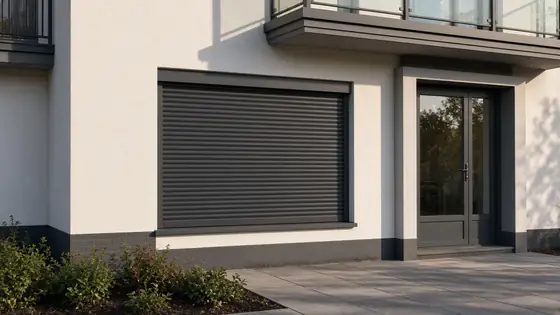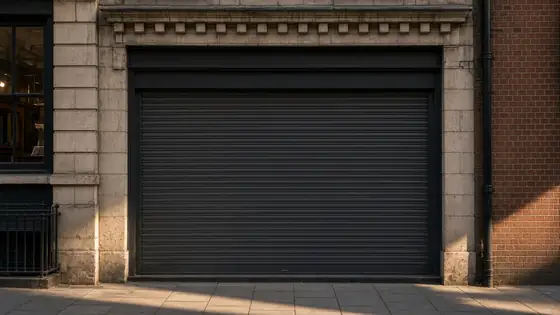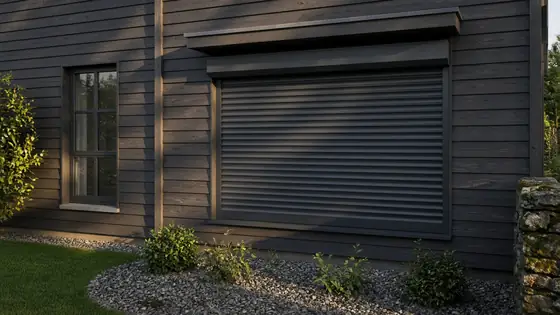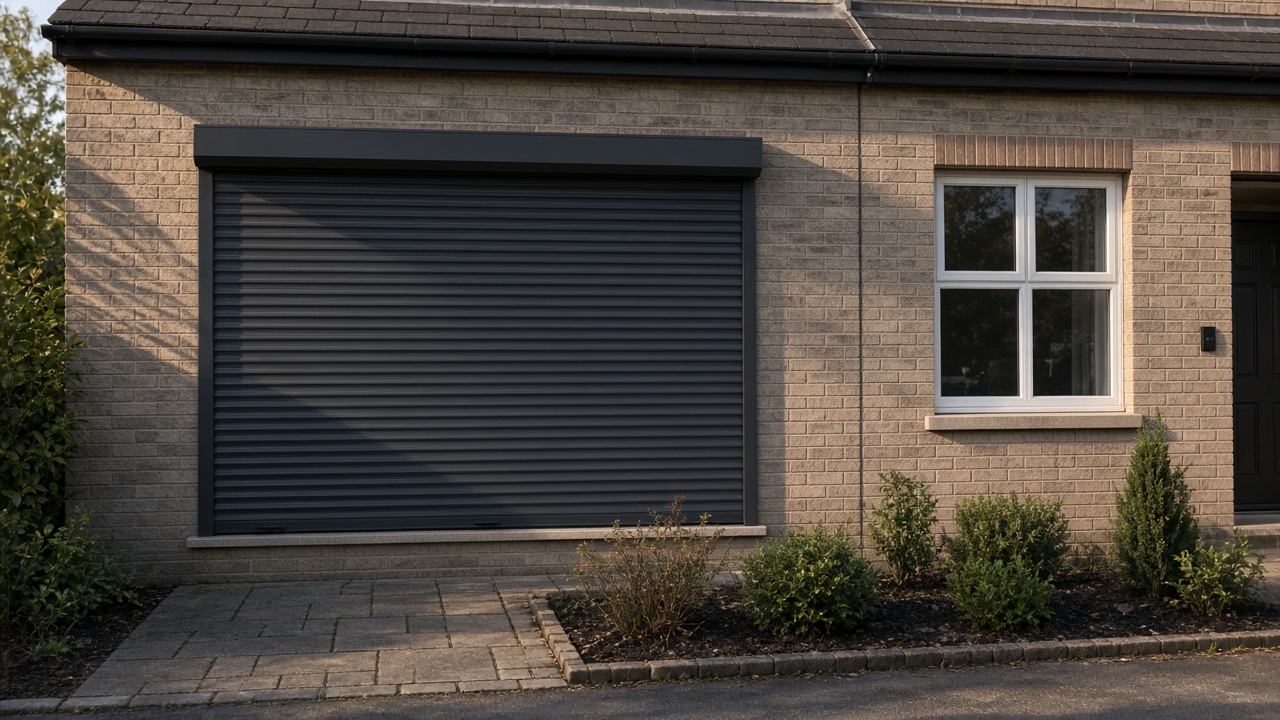
Foam filled slats are made from two thin skins of roll formed aluminium with an insulating foam core. They are light, quiet, well insulated and the normal choice for homes. Extruded slats are formed from solid or hollow aluminium pushed through a die, so they are much stronger and heavier. They are the choice for security shutters, very wide openings and shops, and typically cost 30 to 60 percent more for the same opening.
Key points
- Foam filled: lighter, better insulated, quieter and cheaper. Right for most homes.
- Extruded: stronger, harder to force and better for wide or exposed openings.
- Certified security shutters almost always use extruded or steel slats.
- Heavier extruded curtains need a bigger motor, stronger axle and deeper box.
How the two slats are made
A foam filled slat starts as a coil of thin painted aluminium. Rollers fold it into a double skinned profile, and polyurethane foam is injected into the hollow core. The result is light and well insulated, but the skin is thin enough to dent with a determined blow.
An extruded slat is made by pushing a heated aluminium billet through a shaped die, a little like squeezing toothpaste through a nozzle. The walls are much thicker, so the slat resists bending, cutting and prying far better. Some extruded slats are hollow, some are double walled and some are solid.
Side by side
Maximum widths vary between manufacturers and slat heights. Your installer should quote the limits for the exact profile they are offering.
| Factor | Foam filled aluminium | Extruded aluminium |
|---|---|---|
| Strength | Good for everyday domestic use | High, resists denting and prying |
| Security | Deterrent and delay | Used for certified security shutters |
| Insulation | Better, thanks to the foam core | Lower unless insulated |
| Weight | Light | Roughly twice as heavy or more |
| Noise in use | Quiet | Louder |
| Typical maximum width | Around 3.5 m to 4.5 m depending on profile | Wider spans possible |
| Price | Baseline | Typically 30 to 60 percent more |
| Best for | Windows, patio doors, bedrooms | Vulnerable doors, wide openings, shops |
Which slat for which job
- Bedroom and living room windows: foam filled. You want quiet operation and insulation.
- Hot south facing bifold: foam filled is usually fine, unless the span is near the profile limit.
- Ground floor rear doors in a quiet spot, or a house left empty for long spells: consider extruded.
- Shopfronts, garages and outbuildings: extruded aluminium or steel.
- Coastal or very exposed sites: ask about wind class and the profile's span limits, which can favour extruded.
What changes when you go extruded
A heavier curtain needs a stronger axle, a higher torque motor and often a larger box, because the rolled up curtain is thicker. Guides are usually deeper and stronger as well. That is part of the extra cost and it can affect how the box looks on the wall. Ask to see the box size for both options before you decide.
If you are paying for extruded slats for security, the rest of the shutter has to match: reinforced guides, anti-lift locks and a strong bottom bar. A tough slat in flimsy guides is not a security shutter. See our guide to LPS 1175 security shutters for homes.
Frequently asked questions
Are foam filled roller shutters secure?
They are a good deterrent and delay a casual attempt, especially when closed and locked. For a tested level of resistance, choose an extruded or steel security shutter.
Are extruded shutters worth the extra cost?
For vulnerable openings, wide spans or shops, yes. For ordinary bedroom and living room windows, foam filled slats are usually the better buy.
Which slat insulates better?
Foam filled slats, because the foam core reduces heat flow through the curtain.
Can I change from foam to extruded later?
Sometimes, but the box, axle and motor may need upgrading because the curtain is heavier. It is cheaper to choose at the start.