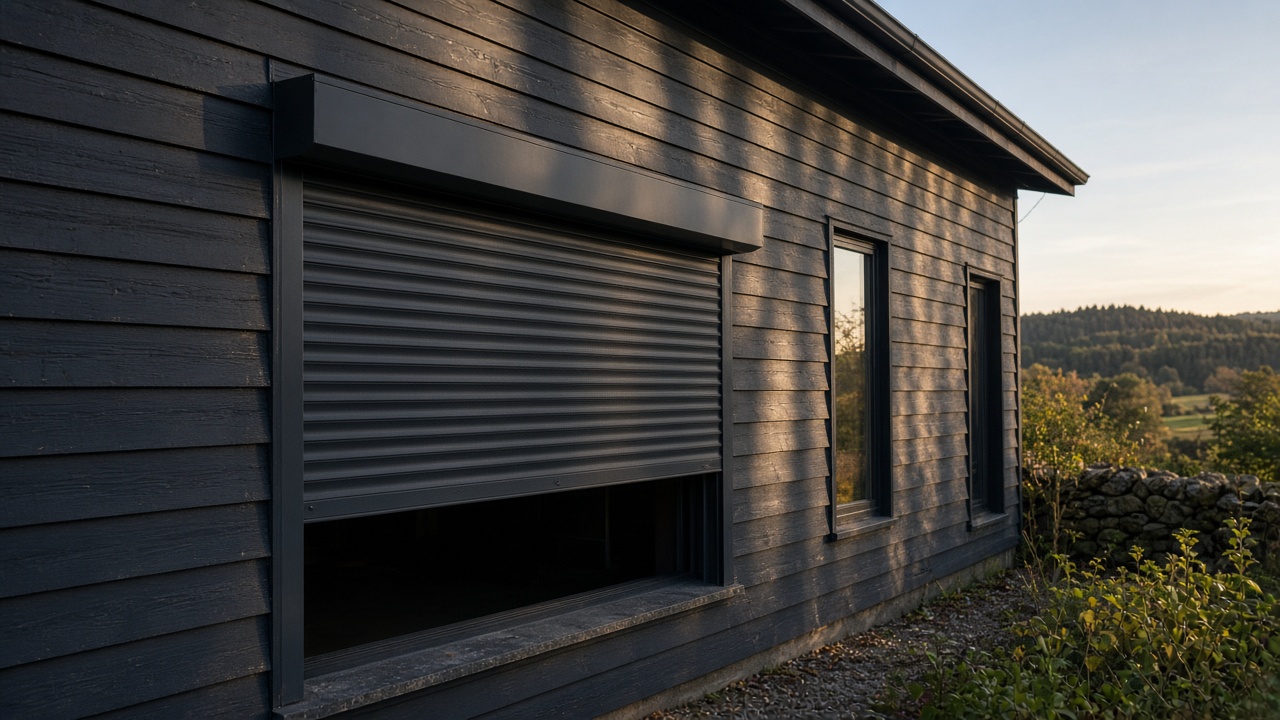
Close shutters on each window before the sun reaches it and keep them down for as long as the sun is on that glass: east windows in the morning, south windows from late morning to mid afternoon, and west windows from mid afternoon to sunset. Open them, and the windows, in the evening once the outside air is cooler than inside. External shutters do far more than internal ones, but both work best when closed early.
Key points
- Close shutters before a room heats up. Closing a hot room keeps the heat in.
- Follow the sun: east in the morning, south at midday, west in the afternoon.
- Ventilate at night when it is cooler outside, ideally with the shutters part open for air.
- North-facing windows can usually stay open for daylight.
A simple heatwave timetable
Times shift with the date and your exact location. The rule of thumb is simple: if sun is shining on the glass, the shutter should be down.
| Window faces | Close | Open |
|---|---|---|
| East | Before about 7am | Around midday |
| South east | By about 9am | Mid afternoon |
| South | By about 10am | Around 5pm |
| South west | By about midday | After about 7pm |
| West | By about 1pm | After sunset |
| North | Usually not needed | Leave open for light |
| Roof windows | All day on sunny days | Evening |
Why closing early matters
Once sunlight has heated the floor, furniture and walls, they keep giving off heat for hours. Lowering a shutter at 3pm on a south-facing room helps, but much less than lowering it at 10am. Automated shutters with sun sensors or timers are useful precisely because they close at the right time even when nobody is home.
UK health advice during heatwaves recommends keeping windows exposed to the sun closed and shaded during the day, and opening them when it is cooler outside.
Night ventilation
In the evening, open windows to let cooler air in. Many external roller shutters can be left part open with the slats spaced, which lets air through while keeping some security on the ground floor. Opening windows on opposite sides of the house gives a cross breeze. Close the windows again in the morning before the outside air gets warmer than inside.
External versus plantation shutters in a heatwave
External shutters stop the sun outside the glass and make a large difference to room temperature. Plantation shutters and blinds stop direct sun on people and furniture, but the heat is already inside. Use both the same way, closing early, but expect much more from external shading. Our guide to whether plantation shutters keep heat out explains why.
Keeping bedrooms cool
- Close bedroom shutters in the morning on sunny sides and keep them closed all day.
- Open windows at bedtime if it is cooler outside; leave the shutter part open for air if security allows.
- Turn off unnecessary electronics and lights, which add heat.
- For loft rooms, an external roof window shutter makes the biggest difference.
Frequently asked questions
Should I close my shutters in hot weather?
Yes, on any window the sun is shining on, and ideally before the room heats up.
How long should shutters stay down in summer?
For as long as the sun is on that window, which can be from morning to late afternoon on south-facing glass.
Should shutters be open or closed at night in summer?
Open, or part open, if it is cooler outside, so you can ventilate the house.
Do closed shutters keep a house cool?
External shutters keep a house noticeably cooler. Internal shutters help less, but still reduce direct sun.