Heat guides
Summer heat through glass, and what actually keeps rooms cool.
 HeatApproved Document O (Part O) overheating: what it means for shadingA plain English guide to Approved Document O, the building regulation on overheating in new homes in England: who it applies to, the simplified method, dynamic modelling and where external shutters fit in.
 HeatClosed shutters and fresh air: the numbers behind a ventilated roomHow much ventilation a room needs by the building regulations, which parts keep working behind a closed roller shutter, and a worked bedroom showing how to keep air moving on a hot night without leaving a window open to the street.
 HeatExternal shutters versus internal blindsInternal blinds manage glare and privacy after the sun has already come in. External shutters stop most of that energy before it passes the glass, and.
 HeatShading a south-facing patio door in the UK: sun angles, overhangs and shuttersHow high the sun is over a south-facing patio door at noon in summer and winter from Plymouth to Edinburgh, how deep an overhang or awning needs to be, and why an external shutter outperforms blinds and plantation shutters inside the glass, with a worked example.
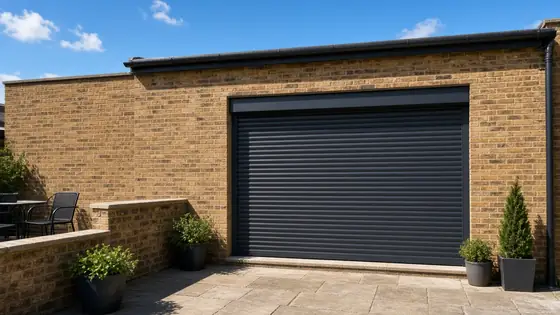 HeatStopping a south-facing glass extension from overheatingA south-facing kitchen extension overheats because the glass lets solar energy in faster than the room can lose it.
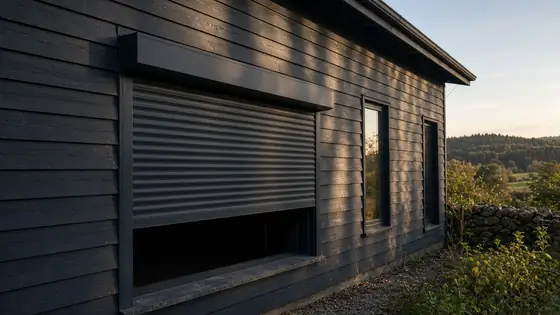 HeatUsing shutters in a heatwave: when to close them and how long to leave them downA practical heatwave routine for external roller shutters and plantation shutters: which windows to close and when, how long to keep them down, night ventilation and keeping bedrooms cool.
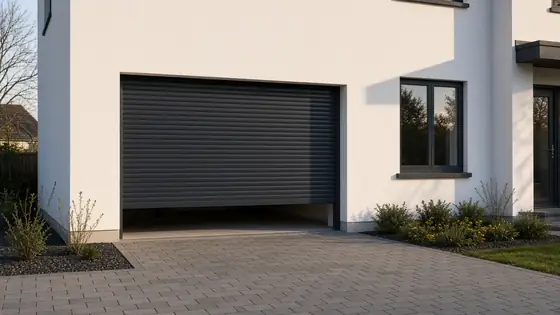 HeatWhy internal blinds struggle on a south-facing bifold, with the numbersA 4 m south-facing bifold can let in over 3 kW of sun. This guide puts numbers on what an internal blind, an external shutter and a film each leave in the room, and says when an internal blind is still the right buy.
Quick answers
- A roof lantern that cooks the kitchenLantern glass faces the high sun, and a wall shutter on the bifold won't shade it. You've got three options: a product made for roof glass, a change to.
- An external venetian when you want the gardenTilted external slats can cut a large share of the sun and still leave the garden in view.
- Blackout and heat control are not the same dialPerforated slats keep some light and some view, and they stop less energy than a solid curtain.
- Conservatories and extensions are different ovensA conservatory is almost all glass, roof included, and a domestic window shutter can't wrap it.
- East-facing bedrooms and the morning hitEast-facing glass pours sun into the room before anyone wants it, then goes quiet. A shutter or roof-window blind on a timer can be down at dawn and up.
- g-value, in shutter languageThe g-value is the share of the sun's energy that the glass lets through. Clear double glazing is often around 0.6 to 0.7.
- Perforated slats and the daylight you keepSmall holes in the slat let you see it's daytime and let a trickle of sun through. They suit a room you're using while it's shaded.
- Solar-control glass is not a shutterBetter glass lets in less heat, and it can make the room gloomier in winter. It doesn't give you blackout, a physical barrier or a night-time cover.
- The 5 degree claim in shutter advertsAdverts sometimes say a room will be 5 to 8 degrees cooler. That can happen in a glazed room that would otherwise bake, and it can fall flat in a house.
- West-facing rooms and the evening bakeWest-facing glass is lovely at noon and harsh at 6pm, which is exactly when the house is full. That's the hour external shade earns its money.
- Zip screens on bifold doorsA zip screen is tensioned fabric running in side tracks. Good outdoor fabrics reject a lot of solar energy and keep your view.