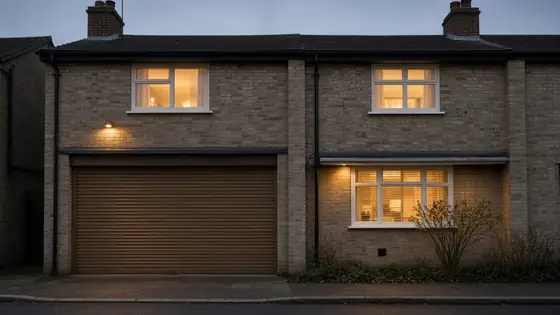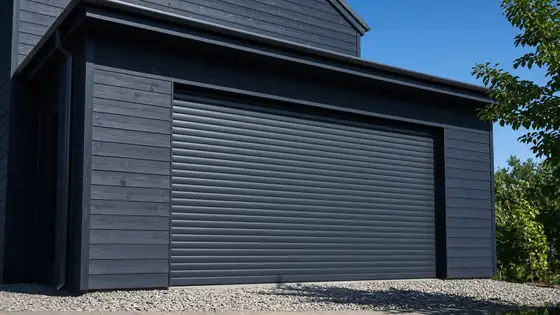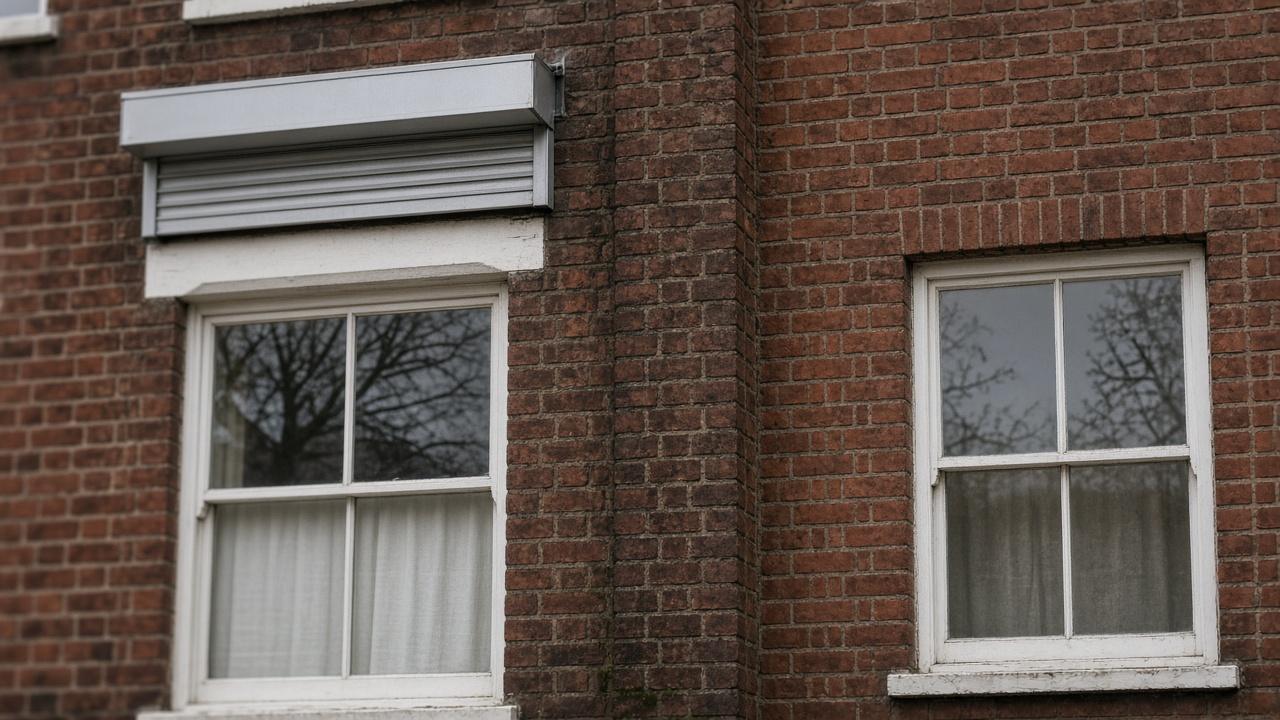
A roller shutter on your own rear wall, clear of the boundary, is usually a building job and sometimes a planning job. It becomes a party wall job when the fixings, box or guides land on the wall you share, or when the box crosses the boundary line in the air.
Your pier and their pier are not the same wall
Semis and terraces often have a brick pier between the two gardens that looks like one lump of masonry. Part of it is yours. Part of it may be shared, or it may stand entirely on the neighbour's land with your wall built up to it. A laser on the opening won't tell you which. The deed plan will, and sometimes so will a look at which side the pier is bonded into.
If the side guide needs a flat landing and the only flat landing is that shared pier, the installer is about to drill into something your neighbour has a stake in. That's the moment to stop the tape and talk, before a made-to-measure curtain (the rolling shutter itself) is on a lorry.
What the 1996 Act is actually about
The Party Wall etc. Act 1996 covers work to a party wall, a party fence wall, and some excavations near a neighbour's foundations. It also covers new walls along the line of junction. A cassette (the box the shutter rolls into) screwed to the outside face of a wall that's entirely yours, and that doesn't oversail (stick out over) the boundary, is often outside that list. A guide drilled into the party wall, a chase cut into it for a cable, or a box that projects across the boundary, is the sort of work the Act was written for.
Notices under the Act go to the adjoining owner before the work, and the timetable is measured in months. A neighbour who agrees in writing can shorten that. A neighbour who says nothing hasn't given you a yes. Serve notice and then order the shutter for the following Friday, and you'll end up storing a curtain in the garage.
The box in the air
Even when every screw is in your brick, the box has a depth. On a tight boundary the front of the cassette can cross the line when the curtain is rolled up, or the side guide can sit proud of a pier that's already on the line. That projection is visible from their garden every day. It's also the thing a buyer of their house will ask about.
Draw the boundary on a plan, then draw the box in section, open and closed. If the outline crosses the line, redesign before you argue. A slimmer box, a guide on the frame instead of the pier, or leaving that one opening off the order are all cheaper than a dispute.
Planning is a separate letter
Party wall consent isn't planning permission, and planning permission isn't a party wall award. A conservation area, a flat or a listed building can still need the council even when the neighbour has signed. An ordinary rear wall on a house can be clear of the council and still be a party wall matter, or the other way round.
Put both questions in the survey notes as yes, no, or not this opening. The factory doesn't know where your boundary is.
Frequently asked questions
Does every shutter on a semi need a party wall notice?
No. A shutter on a wall that's yours, with fixings and a box that stay on your side, is often outside the Act. The shared pier and the boundary line are the bits to check.
Can the neighbour refuse a shutter on my own wall?
They can't use the Party Wall Act to veto a shutter that never touches the shared wall or crosses the line. They can still object through planning if the elevation is controlled, and they can complain if your scaffold or your box occupies their land.
Who serves the notice?
The building owner, which is you, or a surveyor you appoint. The fitter's quote isn't a notice. If you're not sure whether the pier is shared, ask a party wall surveyor before you serve anything, so you don't start a process you didn't need.